
Wedding planning stress isn’t just about vendors and timelines; it’s often about family. The moment you announce your engagement, opinions start to flood in. Some are helpful, others aren’t. When you’re trying to create a day that reflects your relationship, managing outside voices becomes a huge part of the process.
So how do you reduce that stress? You start by navigating expectations early, before pressure builds. That means talking honestly with your partner about your shared vision, setting healthy boundaries with loved ones, and staying clear on which decisions are yours to make. When you open communication lines early and define roles upfront, you stop misunderstandings before they grow.
This guide will help you take control of the process without creating conflict. You’ll learn how to set clear expectations, protect your timeline, and involve your family in ways that feel supportive, not stressful. Most of all, you’ll stay grounded in what really matters: celebrating your love story, on your terms.

Why Family Can Trigger Wedding Planning Stress
Weddings are emotional milestones both for couples and families. Parents often view the occasion as a reflection of their legacy. Siblings might want to help, but sometimes overstep. Well-meaning relatives can offer advice that quickly feels overwhelming.
When financial contributions, cultural traditions, or blended family dynamics are involved, those emotions can intensify. It’s no surprise that what should be a joyful process often becomes clouded by pressure, guilt, or confusion.
Left unaddressed, these dynamics can quietly build into wedding planning stress that affects everything from your timeline to your relationship. But avoiding conflict isn’t the answer.
At the heart of it all is communication with family. If expectations aren’t talked about openly, stress builds quietly in the background. Misunderstandings lead to hurt feelings, which lead to avoidable conflict.
This guide will help you learn how to manage family expectations during wedding planning with care, honesty, and clarity. When you approach family conversations early, with empathy and intention, you make space for a smoother planning journey and a more meaningful celebration.y.
Step 1: Start with Your Partner
Have the Big Conversations First
Before you involve parents, friends, or anyone in your planning process, take time to get on the same page with your partner. This is where true clarity begins and where a lot of wedding planning stress can be avoided before it ever starts.
Have an open, honest conversation, not just about logistics, but about what matters to both of you on a personal level. You don’t need to map out every detail, but you do need to understand each other’s values and vision.
Talk about:
Your Overall Style
Do you want a formal black-tie affair, a relaxed backyard vibe, or something cultural and modern? Even if you’re still browsing ideas, try to define the feel you both want. This makes future decisions more grounded and intentional.
Guest Count and Venue Size
Do you picture a large celebration or a smaller, more intimate day? Understanding the scale will influence every other decision, from venue options to cost and family involvement.
Traditions You Want to Keep (or Skip)
Are there family rituals, religious elements, or cultural customs that feel important? Which ones don’t reflect your identity as a couple? Talking about this early helps you prepare for potential family pushback with compassion and confidence.
Budget Priorities
What are you each willing to spend on? Is photography a must-have, but custom invitations less important? Defining your financial comfort zone helps you create boundaries when others start offering opinions—or money.
Use “We” Instead of “I”
From the start, use united language. Say “We’ve decided…” rather than “I want…” or “I think…” This shows your families that you’re making decisions as a team. It sets the tone for boundaries.
When you’ve had these conversations, something shifts: you gain clarity. You stop second-guessing. And when family members start making suggestions or asking questions, you can confidently say, “We’ve talked it through and this is what we’ve decided together.”
That united front is one of the most effective tools in reducing wedding planning stress before it ever has a chance to grow.

Step 2: Start Setting Healthy Boundaries Early
Setting healthy boundaries with family doesn’t mean shutting anyone out. It means protecting your relationship, your time, and your vision while still honoring the people who care about you.
Boundaries are most effective when they’re communicated with kindness and consistency. You’re not rejecting ideas or help; you’re simply choosing to lead your planning in a way that feels right for you two.
When done early, boundary-setting doesn’t push people away, it actually brings more clarity to their role and reduces future conflict. It’s one of the most practical tools for lowering wedding planning stress before it builds.
Examples of Loving Boundaries:
- “We appreciate your ideas, but we’ve chosen something different.”
- “We’re excited to include you, and we’ll reach out when we need help.”
- “We’ve made this decision based on what fits us best.”
Setting boundaries helps reduce wedding planning stress later. It ensures that your vision isn’t lost in outside opinions.
Step 3: Assign Clear Roles
A major source of stress comes from unclear expectations. People want to help, but when roles aren’t clear, tension builds.
How to Avoid Overlap and Conflict
- Ask who wants to help and with what
- Assign specific responsibilities (transportation, guest lists, etc.)
- Create a shared Google folder with planning documents
Clear roles give your relatives a way to contribute without taking over. And it keeps communication with family simple and organized.
Step 4: Talk Money Honestly
IMoney can be a generous gift, but it often comes with emotional strings. That’s why managing family expectations during wedding planning starts with clear, respectful conversations around finances.
If your parents or relatives are offering financial help, sit down early to discuss what that support actually means. Don’t wait until after deposits are paid to find out there were unspoken expectations.
Ask These Questions Up Front:
- Is this a gift, or do they expect a say in decisions?
- Are there specific vendors they want you to use?
- Will they need to review estimates or receipts?
- Are there categories they’d prefer their contribution go toward (e.g., catering vs. entertainment)?
Once you’ve talked it through, send a short follow-up message to confirm the terms. For example:
“We’re so grateful for your support. To keep things smooth, we’ll take care of vendor coordination and keep you in the loop as plans evolve.”
This kind of gentle clarity avoids confusion later, and helps protect your budget, timeline, and emotional bandwidth.

Step 5: Use Conflict Resolution for Couples
Even with the most thoughtful planning and kind intentions, wedding planning stress can bring unexpected tension. Disagreements with family members are common, especially when emotions run high and multiple generations have differing views on what a “wedding” should look like.
You won’t be able to control every opinion, but you can control how you and your partner respond as a team. That’s where conflict resolution for couples becomes a powerful tool. Learning to pause, talk through situations privately, and present a united front protects both your relationship and your wedding vision.
This isn’t just about putting out fires, it’s about preventing them from taking over the joy of your engagement.
3-Step Method for Handling Tension
- Pause: Don’t react right away. Say, “Let us think about it.”
- Partner Talk: Discuss privately before deciding.
- Respond Together: Thank them for the suggestion, then state your final decision as a couple.
This protects your relationship and avoids reactive conversations. Conflict resolution for couples is about staying aligned, even when family isn’t.
Step 6: Balance Both Sides Fairly
When one family seems more involved than the other, tension can quietly build. It’s not always intentional, sometimes one side simply lives closer or is more vocal. But perception matters.
To reduce wedding planning stress, aim for emotional fairness. It doesn’t mean you have to split every decision evenly, it just means showing consideration to both sides.
Ways to maintain balance:
- Alternate which family attends vendor meetings or tastings
- Incorporate meaningful traditions from both cultures or backgrounds
- Mention both sets of parents in speeches or program details
- Involve both families in wedding-weekend events like welcome dinners or brunches
When families feel included, they’re more likely to be supportive and less likely to push back
Step 7: Choose a Venue That Supports Your Boundaries
A smart venue choice can help prevent friction from escalating. How? By removing logistical stress that often fuels family disagreements.
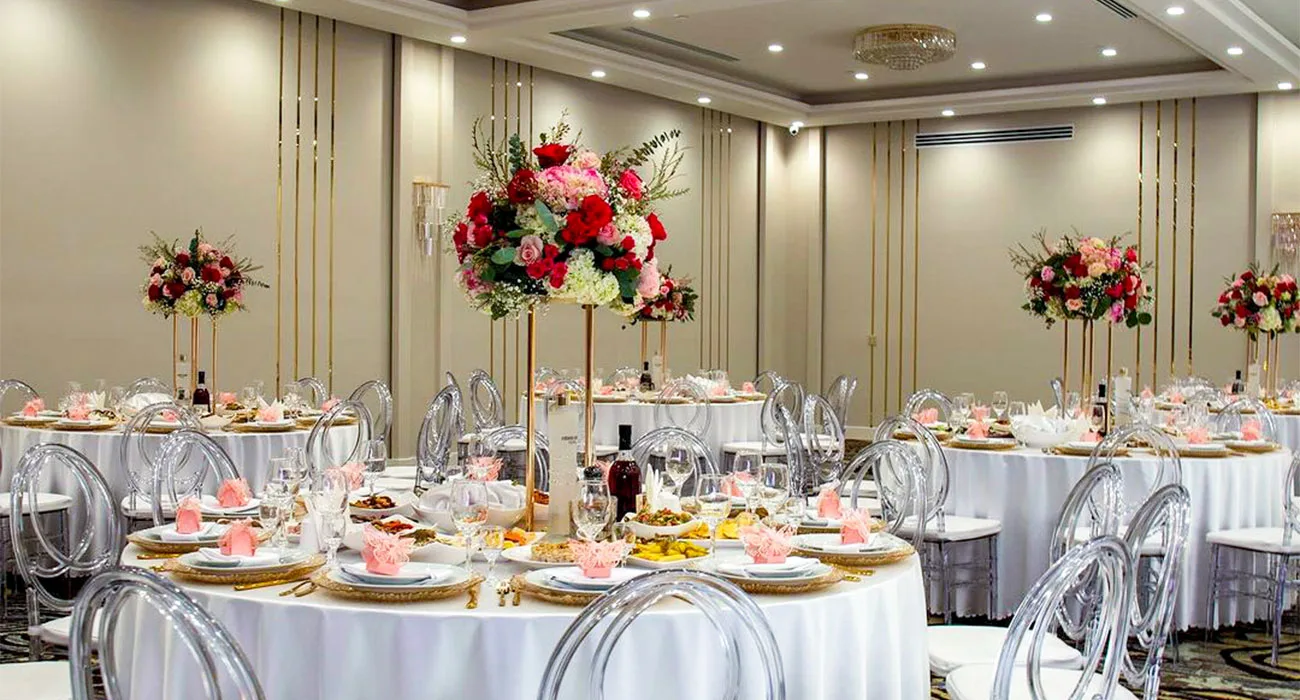
All-inclusive venues like Omnia offer a structured process and a built-in planning team. That structure can reduce the need for outside opinions and simplify decisions around décor, catering, and layout.
Instead of debating napkin colors or rental vendors with your family, you can say: “We’re working within the venue’s packages; it’s already covered.” That deflection is gentle but effective. And it reinforces your authority in a respectful way.
Omnia Venue offers:
- Guest capacity for up to 350 people
- On-site bridal suite
- Custom bar and lounge space
- Entertainment stage and LED video wall
- Setup, décor, and catering coordination
When fewer decisions land on your plate, you preserve energy and reduce pressure.of the best ways to reduce wedding planning stress while maintaining healthy boundaries. Schedule a tour.
Step 8: Keep the Focus on Your Relationship
In the whirlwind of planning, it’s easy to lose sight of the reason behind it all: the two of you. The pressure to please others, stay on budget, and make everyone feel included can cloud what’s truly important.
When you feel wedding planning stress creeping in, pause and reconnect. Talk about what excites you, not just what’s left on the to-do list.
Create micro-moments of calm:
- Schedule a no-wedding-talk date night every other week
- Write each other notes about what you’re looking forward to
- Revisit why certain traditions or songs are meaningful to you
This reminds you both that you’re not just hosting an event: you’re building a life.
Step 9: Celebrate Your Way
One of the biggest sources of wedding planning stress is the pressure to follow traditions that don’t feel right for you. Maybe your family expects a formal ballroom wedding, but you want something more laid-back. Maybe they assume you’ll have a garter toss, cake cutting, or a big bridal party. But deep down, those traditions don’t match your personality or values.
Here’s the truth:
You don’t need permission to do things differently. You and your partner are creating your own family and that starts with a wedding that feels true to who you are. Let go of “should” and choose joy!
Instead of trying to please everyone, focus on the experiences that feel natural and meaningful. That could mean:
- Writing your own vows instead of using a template
- Having a private first look instead of a big reveal
- Replacing a formal dinner with shared plates or comfort food
- Skipping the bouquet toss in favor of a thank-you toast
- Ditching matching bridal party outfits for a mix-and-match look
When you make intentional choices, you reduce unnecessary pressure and avoid resentment later. You also set the tone for a celebration that’s grounded in love, not obligation.
You’re not just planning a party; you’re marking the start of your life together. Let every moment reflect that.
Step 10: Use Professional Support If Needed
When family expectations feel heavy or decision fatigue sets in, take a deep breath and zoom out. You’re Wedding planning stress can build quietly until it becomes overwhelming. If you find yourself stuck in repetitive family conflict, feeling anxious all the time, or losing sleep over decisions, it’s okay to ask for help.
In fact, seeking support shows emotional strength, not weakness. It means you’re committed to protecting your relationship and your peace of mind as you approach this life-changing moment.
Here are a few ways professional support can make a real difference:
• Premarital Counseling
This is one of the most valuable tools for couples preparing for marriage. It helps you strengthen communication with family, improve emotional regulation, and sharpen conflict resolution for couples. Many therapists also help you explore how family dynamics might show up in your marriage and how to navigate them with care.
• Wedding Planners or Coaches
A great planner does more than book vendors. They can act as a buffer when conversations get tense. If a parent keeps pushing for decisions you’re not comfortable with, having a professional step in adds structure and clarity. You can say, “We’ll check with our planner,” instead of being the one to push back directly.
• Therapists or Counselors
If planning is affecting your mental health, individual or couple’s therapy can help reduce wedding planning stress long before it spirals. Therapists can help you set emotional boundaries, cope with pressure, and stay focused on what matters most.
You don’t have to navigate every conversation, expectation, or disagreement alone. Support systems exist for a reason, and using them now builds a stronger foundation for your marriage later.
You deserve to feel grounded, not exhausted, on your wedding day.

Reduce Wedding Planning Stress Before It Starts
Your wedding should feel like a celebration of love, not a battlefield of expectations.
By navigating family dynamics early, communicating with empathy, and setting boundaries with clarity, you give yourself the emotional space to actually enjoy this season of life. You protect your relationship. You prioritize your well-being. And you make decisions that reflect who you are as a couple, not just what others expect.
Wedding planning stress may still pop up, but now you have tools to manage it with grace. When tension builds, return to the big picture: this is about your commitment, your joy, and the future you’re building together. And remember, you’re not alone.
Frequently Asked Questions
How do we deal with a parent who’s overly opinionated?
Set a loving boundary. Thank them for caring, then say: “We’ve talked it through and made our choice.” Stay consistent with your message.
Can we say no to financial help if it causes pressure?
Yes. You’re not obligated to accept money that comes with conditions. It’s okay to politely decline if the strings attached don’t feel right.
How do we reduce drama between divorced parents?
Keep them informed separately, avoid putting them in the same room until the wedding, and assign different roles if needed.
Is it okay to exclude traditions we don’t connect with?
Absolutely. The day should feel like you, not a reenactment of other people’s weddings. Communicate gently but stand firm.
What if family members argue during the planning?
Don’t take sides. Focus on your role as a couple. Consider a neutral third party, like a wedding planner or therapist, to help.