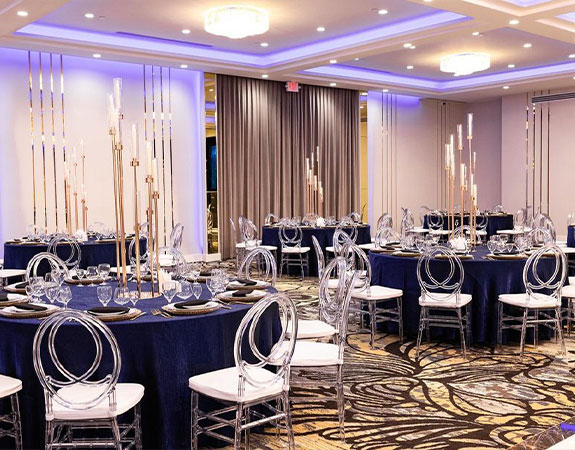
Questions to ask a wedding venue should be at the top of your planning checklist. Before you fall in love with chandeliers, gardens, or ballrooms, you need clarity. The venue determines your budget structure, guest experience, timeline flow, and overall stress level.
Most couples tour a space and focus on how it looks. Very few stop to think about what questions to ask a wedding venue before signing a contract. That’s where mistakes happen.
When touring venues, couples should focus on three categories of questions: financial clarity, logistical structure, and flexibility. Financial questions uncover what is truly included in the price and what may be added later. Logistical questions reveal how the day will flow, from vendor load-in to final dance. Flexibility questions clarify policies around guest count changes, décor limitations, vendor restrictions, and payment schedules. A venue tour is not just about aesthetics; it’s about uncovering how the space actually operates behind the scenes.
This guide walks you through the most important wedding venue questions so you can book with confidence and protect your investment.

Why the Right Questions Change Everything
The venue is not just where your wedding happens: it is the operating system behind your entire day. That’s why asking the right questions changes everything.
Your venue determines:
- How many guests you can realistically invite
- What vendors you are allowed to work with
- How early vendors can load in
- When music must stop
- How flexible your layout can be
- How stable your final costs remain
- How comfortable your guests feel from arrival to departure
If you don’t ask the right questions early, you risk discovering limitations after contracts are signed and deposits are paid. That is when stress begins, not because of décor, but because of restrictions.
For example, you might assume you can hang custom installations from the ceiling, only to learn later that it’s not allowed. You may believe your venue accommodates 300 guests comfortably, but realize too late that the dance floor reduces seating capacity. Or you may fall in love with a low base price that doesn’t include staffing, lighting, or service charges. The right questions to ask a wedding venue uncover these details before they become expensive surprises.
When couples compare venues, the difference is rarely aesthetic. Most venues look beautiful during a tour. The real difference lies in policy transparency, operational structure, and the level of support provided behind the scenes.
Smart questions shift your mindset from emotional excitement to informed decision-making. And that shift is what protects your budget, your timeline, and your peace throughout the entire planning process.
Pricing Transparency: Go Beyond the Quote
The first category of questions to ask wedding venues should always focus on financial clarity. Not just the headline number, but what that number actually represents. Many venues advertise an attractive base price. But that number alone rarely reflects the true cost of hosting your event. Structure matters more than price.
What Is Included in the Base Price?
This is where clarity begins. Instead of asking “How much is it?”, ask, “What exactly does this cover?”
Specifically clarify:
- Are tables and chairs included, or rented separately?
- Are linens included, and how many options are available?
- Is setup and breakdown handled by the venue?
- Are servers, bartenders, and coordination staff included?
- Is lighting built into the space, or does it require rental?
The answers determine how many additional vendors you will need and how much coordination will fall on you.
For example, structured indoor venues like Omnia include a 4,600 sq. ft. ballroom, seating for up to 350 guests, chandeliers, LED wall, stage, bridal suite, custom bar, valet service, and coordination support within defined packages. That built-in infrastructure significantly reduces external rentals and vendor stacking.
When evaluating pricing, you are not comparing décor. You are comparing operational support. Without detailed answers to these questions, two quotes that look similar on paper may represent completely different levels of service.
What Fees Are Added Later?
This is the part most couples overlook and where budgets quietly expand. The initial quote often feels manageable. But the real cost of a venue is rarely just the base price. That’s why this category of questions to ask a wedding venue matters so much.
Go beyond the surface and ask:
- Is there a service charge percentage added to the subtotal?
- Are gratuities already included, or expected separately?
- Is security required based on guest count or bar service?
- What are the overtime rates if the celebration runs longer than planned?
- Are there administrative, cleaning, or equipment fees not shown in the first quote?
Here’s why this matters: a 20% service charge applied after catering and bar costs can significantly increase your total. Overtime fees can escalate quickly if speeches run long or dancing continues past the contracted end time. Security requirements tied to alcohol service may add hundreds more than expected.
Many couples assume their proposal reflects the final investment. In reality, proposals often outline structure, not final totals.
When you ask detailed wedding venue questions about fee breakdowns, you stop reacting to surprise costs and start planning strategically. You gain visibility into the full picture before committing. And that clarity protects more than your budget; it protects your confidence in the decision.

Questions to Ask When Touring a Wedding Venue
Touring is emotional. You walk into a space, imagine your first dance, picture your guests seated at round tables, and it’s easy to say, “This is it”. But the smartest couples use tours to observe operations, not just aesthetics.
The most important questions to ask when touring a wedding venue go beyond capacity. They focus on how the space functions in real time.
How Does the Event Actually Flow in This Space?
Besides asking how many guests fit, ask the coordinator to walk you through a typical wedding day timeline:
- Where do guests arrive and check in?
- Where does cocktail hour take place?
- How are guests transitioned into the reception space?
- Where do vendors stage equipment before setup?
You must consider that beyond booking a room, you’re booking a sequence of experiences. If the flow feels disjointed or requires constant movement between areas, that may create confusion on wedding day.
Who Is Managing the Event Behind the Scenes?
Another important category of wedding venue questions involves staffing structure:
- Will there be a dedicated coordinator assigned to you?
- How many staff members are present for an event your size?
- Who handles issues if something goes wrong?
A beautiful space without structured management creates stress. A well-run venue with defined roles creates confidence.
What Does the Space Look Like During a Live Event?
If possible, ask to see photos or videos of full setups, not empty rooms. Better yet, ask how the venue looks during an active wedding.
This helps you evaluate:
- Lighting levels during dinner
- How the dance floor fills
- Whether tables feel cramped or spacious
- How the stage or entertainment area integrates into the room
These are advanced questions to ask wedding venues that separate surface-level tours from informed decisions. A venue tour is your opportunity to observe how the machine works.
Timeline and Flow: Structure Matters
From vendor arrival to the final song, the venue sets the pace. If that structure isn’t clearly defined, small delays can create a chain reaction that affects catering, entertainment, photography, and guest experience.
That’s why these questions to ask a wedding venue are critical:
- When can vendors load in, and how early can décor begin?
- Is there a strict end time for music?
- How many total hours are included in our contract?
- What happens if we run late?
- Is there a private suite available for preparation or last-minute adjustments?
These details directly affect your timeline flexibility. For example, limited load-in time can rush décor installation. Strict music curfews can cut your celebration short. Insufficient access hours may leave you feeling hurried from start to finish.
Indoor venues operate within defined schedules. Climate control allows timelines to run exactly as planned. Lighting remains consistent regardless of sunset. There is no need to adjust for wind, heat, or sudden rain delays. If you’re comparing venue types in more detail, you can review our breakdown of the key differences between indoor and outdoor wedding venues to understand how the environment directly impacts planning structure and predictability.
When couples fail to ask structured wedding venue questions about timing, they often assume everything will “just work.” But weddings operate on coordination. Clear timeline boundaries reduce pressure on vendors, protect your schedule, and keep your day flowing smoothly.

Vendor Flexibility and Personalization
Every couple wants their wedding to feel personal. But personalization is only possible when the venue’s policies support it. That’s why some of the most important questions to ask a wedding venue focus on flexibility and infrastructure, not just aesthetics.
Before booking, clarify:
- Can we bring outside vendors, or is there a preferred list?
- Are there restrictions on florists, DJs, or photographers?
- Are open flames or candles permitted?
- Can décor be suspended from ceilings?
- Is there built-in AV, staging, or LED capability?
Some venues operate as “blank canvas” spaces. That gives freedom, but it also means you are responsible for sourcing, managing, and aligning multiple vendors yourself.
Omnia operates as an all-inclusive event venue in Fresno, meaning catering, staffing, setup, coordination, and production flow are handled within one structured system. Instead of juggling separate contracts for rentals, food service, bar staffing, and room setup, couples work through one coordinated plan.
This reduces vendor stacking, simplifies communication, and minimizes coordination pressure. It also limits last-minute surprises because the infrastructure is already part of the venue’s design.
When couples skip detailed wedding venue questions about décor limitations and vendor policies, they often discover restrictions after they’ve paid deposits. Asking early ensures your vision aligns with the venue’s capabilities, not the other way around.
Guest Comfort and Accessibility
Your wedding is centered on your relationship, but how your guests experience the day shapes the energy in the room.
When guests feel comfortable, relaxed, and considered, they stay engaged longer. They dance more. They linger during conversations. They fully participate in the celebration. When comfort is overlooked, even beautiful décor can’t compensate for physical or logistical discomfort.
That’s why guest experience should be a meaningful part of your questions to ask a wedding venue. Instead of limiting your thinking to surface-level logistics, ask questions that reveal how the event will function for real people over several hours.
Start by evaluating how the space supports movement and interaction:
- Is there enough room between tables for guests and servers to move comfortably?
- Does the layout allow easy access to the dance floor without congestion?
- Is there a designated area for cocktail hour that prevents overcrowding?
- Are there quieter spaces available for older guests who may want a break from music?
These details directly influence guest behavior.
If cocktail hour feels compressed, conversations shorten. If tables are tightly packed, service slows, and guests feel restricted. If the dance floor is difficult to access, participation drops. Small layout decisions can have large emotional consequences.
Sound management is another overlooked factor. Ask how the venue balances music levels during dinner versus open dancing. Guests should be able to talk comfortably during meals without straining to hear one another.
Indoor venues typically provide stronger sound control, defined event zones, and predictable environmental comfort. Climate control prevents energy dips caused by heat or cold. Solid flooring supports formal footwear. Built-in restrooms eliminate long lines or inconvenient transitions.
Accessibility should also be evaluated thoughtfully. If you are inviting elderly relatives, guests with mobility challenges, or families with children, consider:
- Are there stairs or elevation changes?
- Is seating comfortable for long dinners?
- Are facilities easy to locate and well-maintained?
When preparing your list of questions to ask a wedding venue, consider how guests will move, sit, talk, rest, and celebrate for several hours. Comfort is not decorative. It’s structural. And structure determines atmosphere.

Contract and Flexibility
The contract is the framework that defines how your wedding will operate months from now. Before signing, slow down. Read every line. Ask for clarification. The most important questions to ask a wedding venue often surface at this stage, not during the tour.
Start by understanding the financial structure:
- What is the full payment schedule?
- Are payments tied to specific dates or milestones?
- Is the deposit refundable under any circumstance?
Next, examine flexibility:
- Can the date be transferred if needed?
- What happens if your guest count increases or decreases?
- Are minimum spending requirements adjusted if attendance shifts?
Guest count changes affect catering totals, staffing, seating layout, and overall pricing. A clear contract explains how those adjustments are handled. Without clarity, small changes can trigger unexpected fees.
Also, ask about cancellation terms. Life events happen. Medical emergencies, family situations, or major disruptions can arise. Understanding how the venue responds in those scenarios is part of responsible planning.
When you ask a wedding venue detailed questions about policies and flexibility, you are not being difficult. You are protecting your future decisions and your financial commitment. Once the contract is signed, assumptions no longer matter; only the written terms do.
Red Flags to Watch For
As you move through your list of questions to ask a wedding venue, pay attention not only to the answers but to how those answers are delivered. Transparency has a tone. Professionalism has a pace. And confidence never feels rushed.
Be cautious if you notice:
- Pricing explanations that feel unclear or incomplete
- Verbal promises without written confirmation
- Pressure to “lock in the date today” without time to review the contract
- Inconsistent or delayed communication
- Answers that shift depending on who you speak with
When a venue struggles to explain its pricing structure in detail, that often signals hidden complexity. If written breakdowns are unavailable, it becomes difficult to compare venues objectively. And when urgency replaces clarity, it may indicate that transparency is not the priority.
A well-managed venue welcomes thoughtful questions. It provides written documentation. It gives you space to review terms without pressure. It communicates consistently and professionally.
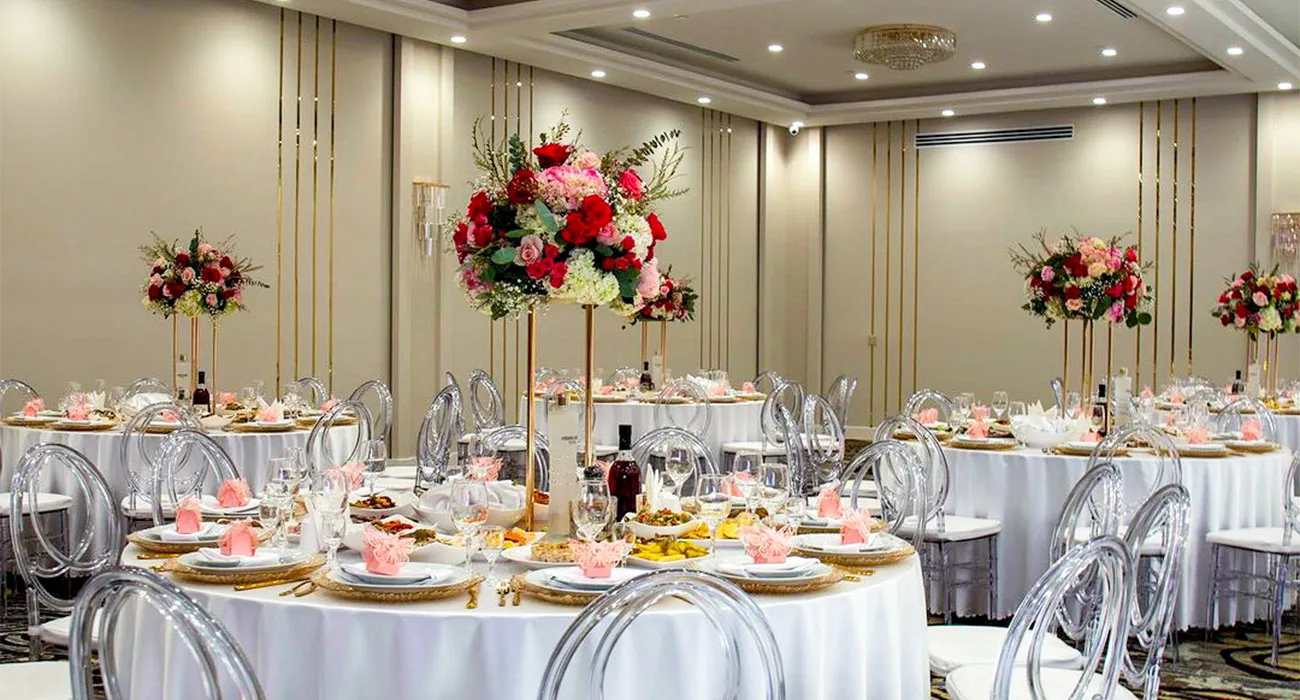
Tour With Intention, Decide With Confidence
The most confident couples on the wedding day are not the ones who found the prettiest room first. They’re the ones who prepared: they showed up to tours with notes, they asked direct questions, and they compared answers side by side.
When you prepare thoughtful questions to ask a wedding venue, you’re not being overly cautious. You’re protecting your budget, your timeline, and your guests’ experience. Preparation turns uncertainty into confidence.
Tour venues with intention. Listen carefully to how answers are delivered. Review contracts slowly. Compare policies, not just aesthetics.
If you’d like to experience how a well-structured indoor venue operates with transparency and coordination built into the process, schedule a private tour at Omnia and walk through the details in person. Seeing how everything flows behind the scenes often makes the decision much clearer.
Frequently Asked Questions
Should we tour venues during active weddings?
Touring during a live event can be helpful because you see the space fully set, lit, and operating in real time. You can observe guest flow, lighting levels, staff coordination, and how the dance floor feels when active. However, privacy restrictions often limit full access. If live tours aren’t available, ask to see videos or full event galleries that show real weddings instead of staged photos.
How many venues should we tour before deciding?
Most couples benefit from touring three to five venues. Fewer than three can limit perspective. More than five often creates confusion and comparison fatigue. After several tours, details start blending together. Choose enough to understand pricing structures and policies clearly, then narrow your focus.
Do venues require event insurance?
Some venues include liability coverage within their contract, while others require couples to purchase separate event insurance. Coverage typically protects against property damage or guest injury. Always ask what type of insurance is required, what it covers, and whether the venue must be listed as additionally insured on the policy.
When is the final guest count due?
Most venues require a confirmed headcount two to four weeks before the wedding. This affects catering totals, staffing numbers, seating diagrams, and bar service. Ask how adjustments are handled if attendance changes after confirmation.
Should we book the venue before hiring other vendors?
Yes. The venue determines your date, layout, timeline structure, and vendor logistics. Securing it first provides a foundation for booking photography, entertainment, décor, and catering with clarity and coordination.