How to do a wedding budget can feel overwhelming when you’re staring at a blank spreadsheet and trying to match dreams with dollars. But couples who start with a simple plan almost always feel more confident and spend smarter.
So, how do you do a wedding budget that actually works? Start by deciding how much you can spend overall based on savings, contributions, and what you’re comfortable setting aside from monthly income. Then break that total into categories that match your priorities. Do you care most about food, photos, or the venue? Allocate more money there. From there, get quotes, track actual costs, and make adjustments as you go.
The most successful couples keep it simple, stay honest about what they can afford, and give themselves room for changes. This guide will show you how to do a wedding budget that’s realistic, clear, and built around what matters most.

Start with the Total Budget, Even if It’s Just a Range
Before you dive into planning, take time to figure out how much you can realistically spend on the entire wedding. Your total budget should include any savings you’ve already put aside, what you’re comfortable contributing from future income, and any financial support from parents or family.
Even if you don’t have a final number yet, start with a rough range like $20,000 to $30,000. This range gives you a flexible starting point while you research vendors and venues. It also helps you make early decisions without getting stuck. Ask each other: How long do we want to save? How much are we okay spending without financial strain? Is anyone else contributing, and how much?
Once you’ve picked a working number, say $25,000, you can break that into spending categories. That number becomes your anchor. It guides your priorities, whether you want to splurge on food, photography, or an indoor ballroom venue. The goal is to have structure without pressure, and that starts with understanding how to do a wedding budget that fits your reality.
Identify the Top Three Things You Care About
Every couple has different priorities. The key to learning how to do a wedding budget is knowing where you’re willing to splurge and where you’re okay cutting back.
Start by listing the three things that matter most. For example:
- Gourmet catering and an open bar
- A full-service photographer and videographer
- A luxury ballroom venue with space for 300+ guests
Now take a moment to list the areas where you’re open to compromise. These are the places where your budget can breathe. Maybe traditional invitations aren’t important to you, so you switch to digital and save on printing and postage. Perhaps you skip party favors or go with a small, thoughtful gesture. Or you choose simple centerpieces using candles or in-season flowers. These decisions allow you to spend more where it matters most. The goal is to stay intentional, prioritizing what adds meaning while keeping costs realistic.
Example Wedding Budget Breakdown ($25,000 Wedding)
A practical wedding budget breakdown is part of learning how to do a wedding budget the right way. Once you’ve established your total number, the next step in how to do a wedding budget is breaking it into realistic spending categories. This helps you stay organized and adjust as you compare quotes from venues and vendors.
Here’s an example based on market averages for a $25,000 wedding:
- Venue, food, and drink: $12,000 (48%)
- Photo and video: $3,000 (12%)
- Attire, hair, and makeup: $2,000 (8%)
- Entertainment: $2,000 (8%)
- Flowers and décor: $2,200 (9%)
- Invitations and stationery: $600 (2.4%)
- Transportation, cake, and extras: $1,000 (4%)
- Contingency buffer: $2,200 (8.6%)
According to Zola’s 2025 guide, venue and catering often make up 40–45% of the budget, with photography, décor, and entertainment following.
This breakdown gives you a strong framework to begin comparing actual prices. Keep in mind: you can always shift percentages depending on your priorities.
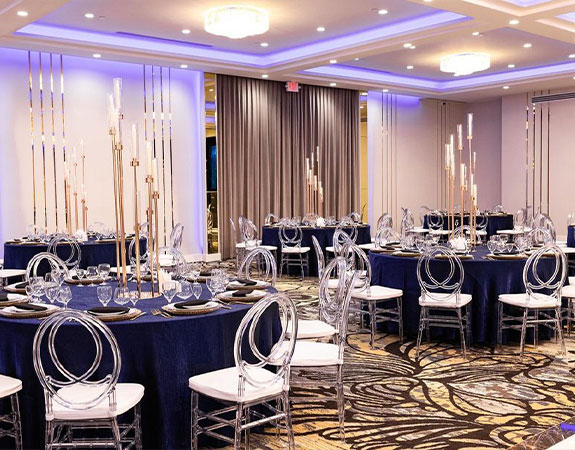
Working with an all-inclusive venue like Omnia Venue often simplifies the process. Because many of the biggest expenses, like food, staffing, rentals, and basic décor, are bundled into one contract, you’ll reduce the number of outside vendors and keep surprise costs to a minimum. That makes your wedding budget more predictable and easier to manage from the start.

Understand Local Vendor Pricing
When you’re learning how to do a wedding budget, it’s tempting to use national averages, but vendor costs vary by region and service level. To create an accurate budget, use real cost ranges from reputable industry sources and then refine them based on local quotes.
According to TheWedStay wedding vendor cost calculator, common vendor cost ranges in the U.S. include a wide span of real‑world pricing you can expect when gathering quotes:
- Music & DJ services: $800–$2,500 (sound system, MC services, and reception entertainment)
- Flowers & décor: $1,000–$3,000 (bridal bouquet, ceremony, and reception arrangements)
- Hair & makeup: $500–$1,500 (bridal and party beauty services)
- Transportation: $300–$800 (limo or shuttle for couple and guests)
- Other services also vary based on experience and package level
These ranges give you a practical baseline to start estimates for your own location. For example, if your local florist quotes closer to $2,000 for centerpieces and bouquets, that fits the standard range. If a DJ in your area is near the $2,500 mark, that also makes sense in the context of average pricing.
When you talk to local vendors, always ask for itemized quotes that show what’s included, such as setup, breakdown, labor, and travel fees. Comparing packages side by side helps you see where your budget goes and where you can adjust. That’s a key part of learning how to do a wedding budget that truly aligns with your vision and your numbers.
Set Your Guest Count Early
Guest count affects every line item. Food, drinks, chairs, centerpieces, programs, and desserts all scale with the number of people attending. Here’s a quick example breakdown:
- 100 guests = ~$100 per person = $10,000 base cost
- 150 guests = ~$120 per person = $18,000 base cost
- 200 guests = ~$125 per person = $25,000+ base cost
If your must-have venue seats 350 (like Omnia), that doesn’t mean you need to fill every seat. Stay focused on how to do a wedding budget that fits your priorities, not your venue’s max capacity.
Choose a Venue That Simplifies Everything
Your venue influences your budget more than anything else. That’s why it’s smart to book one that helps you save on other categories.
Omnia Venue offers:
- Space for up to 350 guests
- Dazzling chandeliers
- Elegant bridal suite
- Custom full-service bar
- Entertainment stage
- Oversized LED video wall
- Free WiFi
- Valet service for guests
When everything is in one place, you reduce the number of contracts, vendors, delivery fees, and coordination stress. That’s a huge win for couples trying to figure out how to do a wedding budget efficiently. Book a tour at Omnia Venue
Always Include a Contingency Fund
Even the most carefully planned weddings come with surprises. That’s why one of the smartest moves when figuring out how to do a wedding budget is building in a 5–10% buffer for the unexpected.
This contingency fund isn’t about overspending, it’s about staying in control when little things pop up, like:
- Overtime fees if your DJ, bartenders, or venue team needs to stay later than planned
- Last-minute guests you didn’t account for on your original headcount
- Forgotten details, such as tip envelopes, signage, umbrellas, or even an extra vendor meal
Let’s say your total budget is $30,000. Setting aside $1,500–$3,000 gives you the flexibility to say yes when something important comes up, without blowing your numbers.
And if you don’t end up needing it? Great. That’s extra money for your honeymoon, a day-after brunch, or just to stash in savings. Either way, you win.
Payment Plans Make It More Manageable
One often-overlooked strategy in how to do a wedding budget is taking advantage of vendor payment plans. Many venues and professionals offer installment options that make large expenses feel more manageable.
Instead of paying everything upfront, you typically split costs over several months. For example:
- 30% deposit at the time of booking
- 40% due 90 days before the wedding
- 30% final payment due 30 days before your event
This structure allows you to secure top vendors early without draining your savings. It also gives you time to plan, save, and adjust as needed, especially helpful when unexpected costs come up or priorities shift.
Always ask for payment timelines during your consultations. Understanding when each bill is due helps you build a wedding budget that reflects your actual cash flow, not just a lump sum.
Keep a Living Budget Document
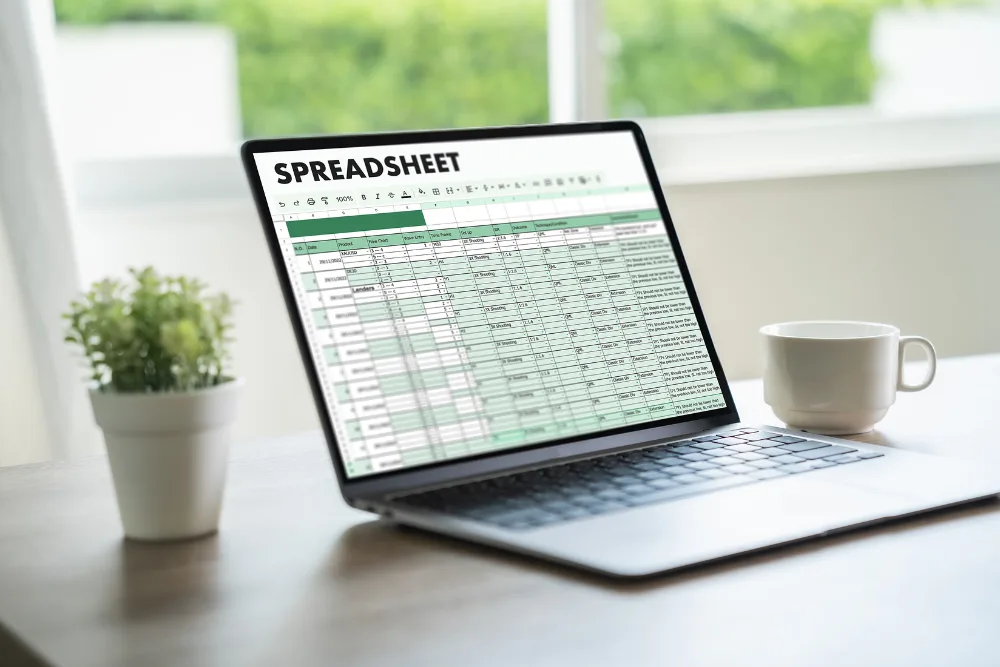
A wedding budget only works if you keep it current. Use Google Sheets, Notion, or a wedding app that lets you:
- Track deposits and due dates
- Log actual vs. estimated costs
- Adjust in real time as changes happen
Knowing how to do a wedding budget isn’t about building a spreadsheet once; it’s about reviewing it weekly and staying realistic.
Don’t Forget the “Small” Expenses
They add up fast. Make sure your budget includes:
- Postage for invitations ($100–$300)
- Dress alterations ($200–$500)
- Marriage license ($60–$100)
- Vendor tips ($300–$700 total)
- Guest favors (optional)
These often-overlooked costs can easily total $1,000 or more if not accounted for.
Budget with Purpose
Learning how to do a wedding budget isn’t just about crunching numbers; it’s about creating a celebration that feels right without stretching beyond your means. When your budget reflects what you truly care about, decision-making becomes easier, and the entire process feels more intentional.
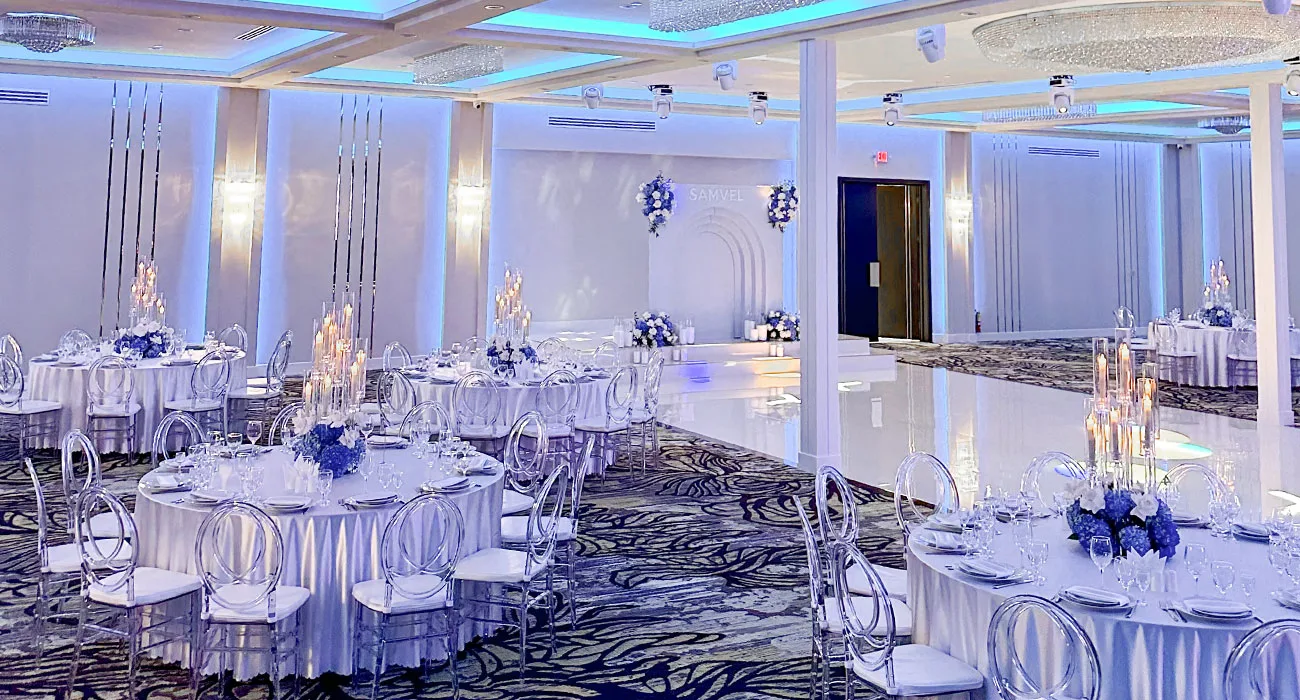
For many couples, choosing a venue that includes more, like catering, furniture, lighting, and staff, can simplify planning in a big way. With fewer moving parts to manage, your budget becomes clearer and your timeline smoother.
That’s one reason so many couples planning weddings in Fresno turn to all-inclusive venues like Omnia. Fewer vendors mean fewer contracts and fewer surprises, which makes budgeting feel less like a guessing game.
Frequently Asked Questions: How to Do a Wedding Budget
Should we hire a wedding planner if we’re on a budget?
Yes, but be strategic. Some planners offer partial or month-of coordination, which can help you avoid costly mistakes while staying within budget. A good planner might even save you money by negotiating better rates or recommending cost-effective vendors.
Can we have a nice wedding on a $15,000 budget?
Yes, but you’ll need to cut the guest list or simplify key areas. Focus on one main meal, rent fewer hours, and prioritize essentials. An all-inclusive venue helps you stay in control.
Is it cheaper to have a wedding on a weekday or Sunday?
Definitely, venues and vendors often offer lower rates for weekdays or Sundays compared to prime Saturdays. If you’re flexible with your date, this is one of the easiest ways to reduce costs without sacrificing quality.
How far in advance should we start saving for our wedding?
Ideally, 12 to 18 months before your wedding. This gives you enough time to save steadily without financial strain. Set monthly goals based on your estimated total budget and stick to them. Automated savings transfers help.
How do we stay on budget once we start booking vendors?
Use a shared budget spreadsheet or app to track every expense. Log actual costs against your planned amounts and update it often. It’s easy to overspend in small increments, tracking keeps you grounded.
What’s the first step in how to do a wedding budget?
Add up your savings, expected contributions, and what you can reasonably spend from income. Don’t guess, use real numbers.